
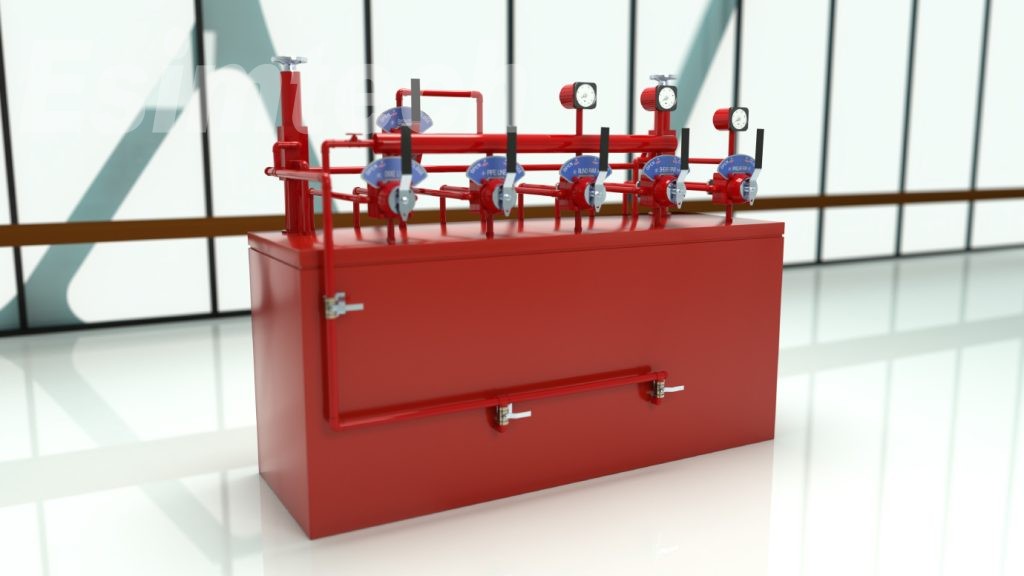
Drilling simulation training systems have revolutionized the way professionals in the oil and gas industry are trained. These systems utilize advanced hardware and software components to create a realistic training environment. The hardware often includes control panels and displays that closely resemble actual drilling equipment, providing users with an authentic tactile experience. This ensures that trainees can perform operations in a setting that mimics real-world challenges, enhancing their operational readiness.
The core of these systems lies in their sophisticated Drilling Training Simulators, which employ complex algorithms to replicate various drilling scenarios. This software monitors the trainee's inputs and provides immediate feedback, allowing for a dynamic learning process. Through the simulation of different geological conditions and potential emergencies, trainees can practice critical skills without the risks associated with real drilling operations.
Key Features of Effective Drilling Simulation Training
One of the most significant advantages of using drilling simulators is the ability to generate custom training scenarios. Instructors can tailor simulations to meet specific learning objectives, thus ensuring that each trainee receives personalized instruction. This is particularly beneficial in addressing the unique challenges faced in various drilling environments.
Additionally, modern systems support multi-user collaboration, allowing trainees to work together in a shared virtual environment. This feature promotes teamwork and enhances the overall training experience. The ESIM-FCC11 Drilling Simulation Training System exemplifies these capabilities, providing a platform where students can engage in cooperative problem-solving while honing their individual skills.
Opportunities for Personal Trials and Experience
For individuals interested in experiencing drilling simulation training systems, there are several avenues available. Educational institutions often provide access to simulators as part of their curriculum, though direct personal use might be limited. However, portable simulators like DrillSIM:20 and DrillSIM:5 are designed for individual or small group practice, making them accessible for personal training.
Moreover, prospective users can contact companies that specialize in drilling training systems to inquire about trial opportunities. Many organizations offer demonstrations or short-term trials to potential clients, allowing them to assess the system's features and benefits firsthand. Participating in professional training courses is another effective way to gain experience with these advanced training tools. These courses frequently integrate simulation systems into their curriculum, providing a comprehensive education in drilling operations.
| Feature | Description |
|---|---|
| Realistic Hardware | Simulators include control panels and displays that mimic real drilling equipment. |
| Custom Scenarios | Instructors can create tailored training environments to meet specific learning objectives. |
| Multi-User Collaboration | Trainees can engage in teamwork within a shared virtual environment. |
| Instant Feedback | The software provides real-time performance evaluations to enhance learning. |
In conclusion, drilling simulation training systems represent a critical advancement in preparing individuals for careers in the oil and gas industry. By leveraging cutting-edge technology, these systems provide a safe and effective training environment that significantly improves operational capabilities. As the industry continues to evolve, the importance of effective training solutions like the Drilling Training Simulators will become even more pronounced, ensuring that professionals are well-equipped to handle the complexities of modern drilling operations.