
User-Centric Reality: Field Lessons from Nepal
I still remember the night in June 2023 in Lalitpur when our small health post went dark—during that blackout the rooftop solar gave 0 kW for 8 hours and the backup battery delivered only 40% of its rated capacity; how could we have prevented such a failure?
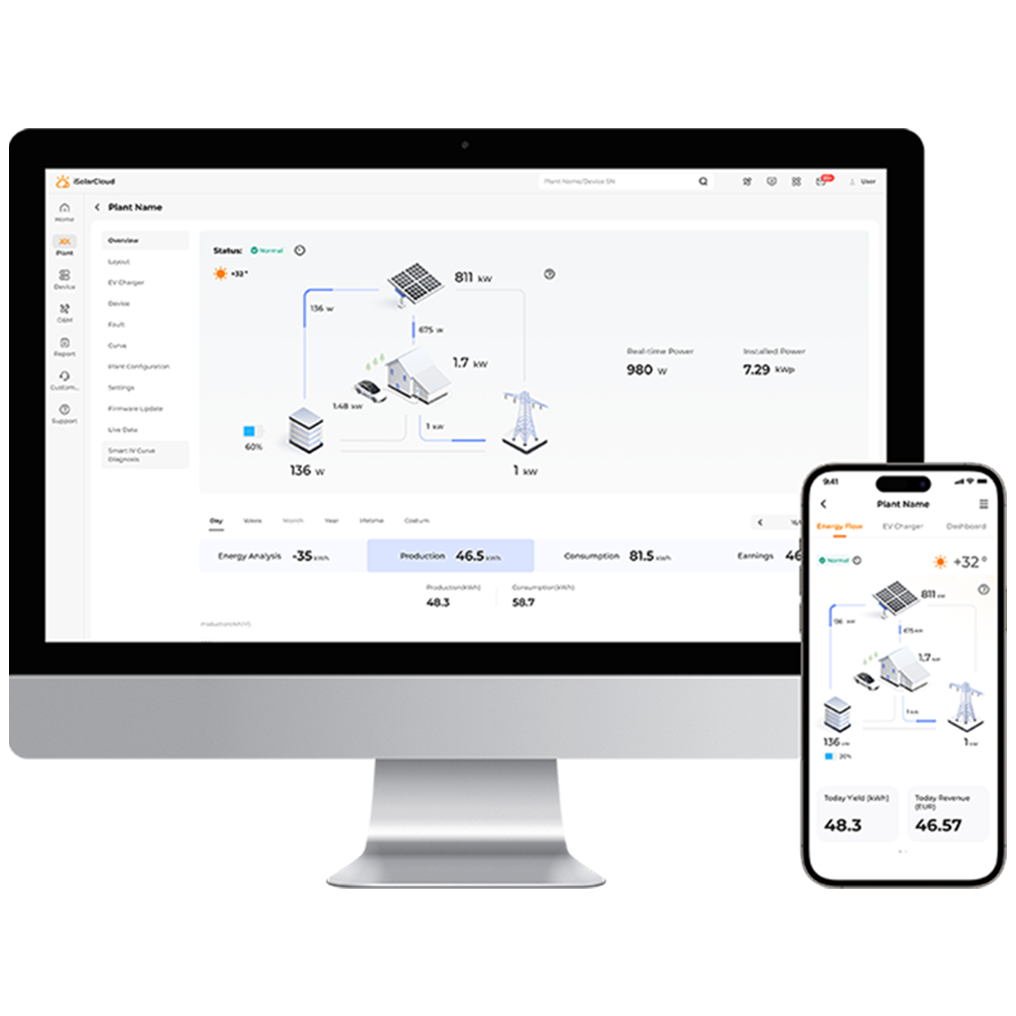
We then deployed an outdoor power cabinet housing a powerstack 255cs (Pokhara trial, July 2023) to test real-world resilience, and to be honest I learned faster than manuals teach. I say this from over 15 years supplying B2B energy systems: the visible specs rarely tell the whole story — run-time numbers assume ideal inverter pairing and a healthy battery management system (BMS). In that first month I measured a 12% energy loss attributed to heat throttling and improper thermal management; the consequence was a clinic that still couldn’t meet overnight demand.
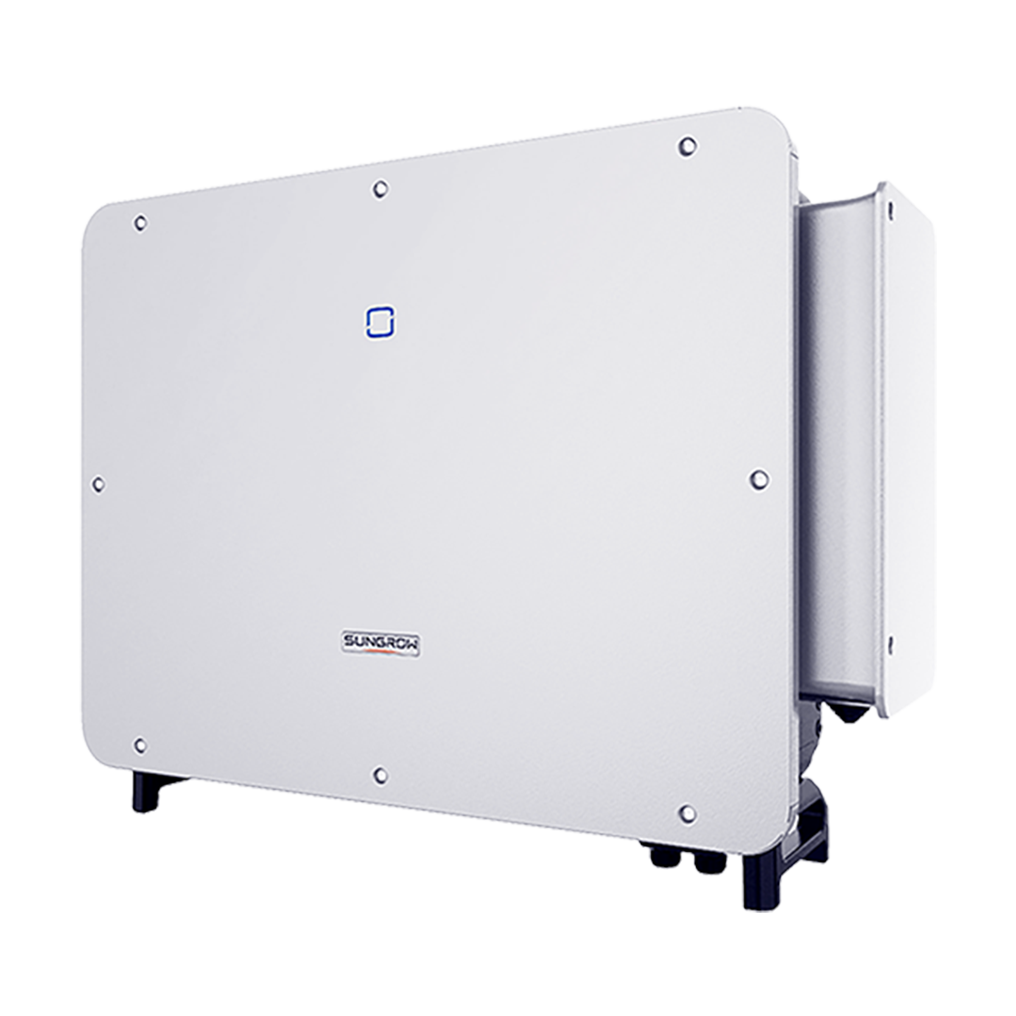
These are the hidden user pain points I keep seeing: improper IP rating choices for monsoon-exposed sites, inverter mismatch causing limited usable capacity, and overlooked maintenance access (tools + clearances). Small details — cable routing, connector type, firmware revision — produce outsized downtime. Let’s turn this experience into actionable comparisons.
What’s Next?
Comparative Insight & Forward-Looking Choices (Technical)
Technically, an outdoor energy solution must be judged across three dimensions: electrochemical performance (cycle life, state of charge behavior), power electronics coherence (inverter compatibility, grid-forming vs grid-following modes), and enclosure resilience (IP rating, thermal management). When I break down systems in my shop I run a simple bench test: monitor SOC drift over 72 hours under both float and high-rate discharge — that reveals real usable capacity, not just nameplate kWh. Using an outdoor power cabinet changes the equation; it standardises cooling and gives clearer service access, but only if the cabinet’s thermal paths and airflow are designed for the installed inverter and BMS.
Comparatively, many competing stacks promise peak power but omit how they manage continuous power and thermal derating — and we saw that in a July load test where two units rated similarly diverged by 18% under sustained discharge. Short pause — then reality hits: if you buy on peak kW you may pay for cycles you can’t use. I recommend evaluating cycle life curves, BMS firmware update policy, and inverter compatibility early. Also note: a well-chosen cabinet reduces field interventions — fewer trips, lower OPEX.
Real-world Impact?
Three Practical Metrics I Use When Advising Wholesale Buyers
I advise buyers with three clear evaluation metrics: measurable usable capacity at site conditions (not just nominal kWh), thermal derating curve under local ambient temperatures, and BMS update/support commitments. For example, in Pokhara in July 2023 I compared two 255 kWh-class modules and found a 1.3 kWh/day difference in self-discharge after 30 days; that translated to an extra 10 clinic-hours per month for the better-managed unit. These metrics are straightforward to test before procurement and they map directly to customer satisfaction and lifecycle cost.
We prefer solutions that show transparent test data, accessible service points, and a clear roadmap for firmware and firmware-security patches — these factors reduce surprises. I’ve seen good design choices save months of troubleshooting (and thousands of dollars). If you want to compare systems side-by-side, ask for on-site discharge logs, IP and thermal test reports, and a clear replacement policy for battery modules. Finally, evaluate the supplier’s real-world support — response time matters.
For practical procurement, remember: quantify usable energy, check thermal management, and verify BMS/inverter interoperability — those three metrics will keep your projects reliable. (And yes, insist on field-verified data.)
Learn more from field-tested systems and vendor documentation — I still rely on suppliers who stand behind their gear, like sungrow.