
Family events are usually a little more special than everyday outings. Whether it is a wedding, Eid gathering, birthday, engagement, dinner, or a relative’s celebration, the outfit needs to look polished without feeling uncomfortable. Choosing the right girl dresses depends on the type of event, the age of the girl, the season, and how formal the gathering will be. 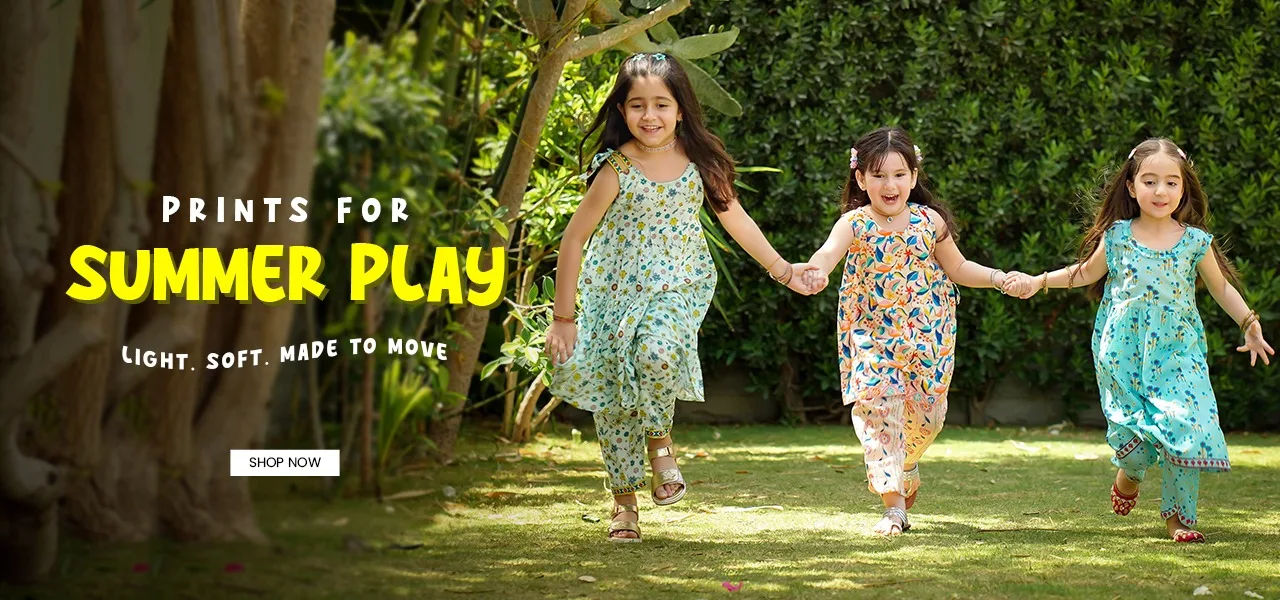 The best choice is often an outfit that balances elegance and comfort.
A dress can be beautifully decorated, but if the fabric is itchy, the sleeves are restrictive, or the design is difficult to move in, it may not work well for a long family gathering.
For parents and girls trying to decide what to wear, girl dresses come in many styles that can suit different family occasions. Traditional outfits, modest frocks, embroidered dresses, coordinated sets, and simple party wear can all work when selected according to the event.
The Type of Family Event
Before choosing an outfit, consider what kind of gathering you are attending. A dress that looks perfect at a wedding may feel excessive at a casual family dinner.
The level of formality gives you a useful starting point. It also helps narrow down fabrics, colors, embellishments, and accessories.
Weddings and Engagements
Weddings are among the occasions where children can wear more decorative clothing. Embroidery, embellishment, layered designs, and traditional fabrics are all suitable.
For younger girls, an embroidered frock or traditional two-piece outfit can create a festive appearance without making the outfit overly complicated.
Older girls may prefer a long shirt with trousers, a gharara-style outfit, or a traditional three-piece ensemble. Details such as thread embroidery, small sequins, lace, and delicate borders can add occasion-appropriate decoration.
There is no need to choose the most heavily embellished girl dresses available. Children often spend several hours sitting, eating, greeting relatives, and moving around. A balanced design is usually more practical.
Eid Gatherings
Eid is another occasion where traditional clothing works especially well. Bright colors, delicate embroidery, printed fabrics, and comfortable silhouettes are popular choices.
For daytime Eid visits, cotton, lawn, linen blends, and other breathable materials can be comfortable in warm weather.
For evening gatherings, slightly richer fabrics can create a dressier appearance. Velvet, chiffon details, jacquard, or embroidered fabric may work better when temperatures are cooler.
Family Dinners
A family dinner generally does not require heavily embellished clothing.
A neat frock, printed dress, kurta with trousers, or simple coordinated set can look stylish without appearing too formal.
This is also an excellent opportunity to choose comfortable fabrics and understated colors. A clean silhouette with one attractive detail can be enough to make the outfit feel special.
Traditional Dresses for Family Gatherings
Traditional clothing has a natural place at many family events, particularly in South Asian households.
The advantage of traditional clothing is its variety. There are options for toddlers, young children, pre-teens, and teenagers, with designs that can be adapted to different levels of formality.
Frocks
Frocks remain a practical option for younger girls.
A simple cotton frock can work for daytime gatherings, while an embroidered or layered frock can be appropriate for celebrations.
The length should allow easy movement. Extremely long hems can become inconvenient when children are walking, playing, or using stairs.
For festive events, a frock with a decorative neckline, embroidered sleeves, or a contrasting border can provide enough visual interest without excessive embellishment.
Kurta and Trousers
A kurta with trousers is versatile and easy to style.
For casual events, a printed kurta with straight trousers may be enough. For more formal gatherings, embroidered fabric and a matching dupatta can make the outfit more festive.
This style also allows girls to move comfortably, which makes it useful for events where they will be sitting and walking for several hours.
Gharara and Sharara Styles
Gharara and sharara outfits are particularly suited to weddings and festive celebrations.
The wide-legged lower section creates a distinctive traditional appearance. They can be paired with short or medium-length shirts depending on the girl's age and personal preference.
For younger girls, lightweight versions are often easier to manage than heavily layered designs.
Long Shirts
Long shirts paired with trousers, tights, or traditional bottoms can create a graceful appearance without requiring a complicated outfit.
They are particularly useful for older girls who want something that feels more mature while remaining age appropriate.
Embroidered necklines, cuffs, borders, or small motifs can make a plain long shirt suitable for a special family event.
Choosing the Right Fabric
Fabric can make or break an outfit.
A beautiful dress that feels uncomfortable can quickly become frustrating, especially during a long celebration.
Cotton for Warm Weather
Cotton is a practical choice for summer family gatherings.
It is breathable and generally comfortable for extended wear. Printed cotton dresses can look attractive without requiring heavy decoration.
For outdoor daytime events, lightweight materials are usually more practical than thick formal fabrics.
Lawn and Lightweight Blends
Lawn is another common choice for warm-weather clothing.
Its lightweight feel makes it suitable for daytime family occasions. It can also be dressed up through embroidery, borders, contrasting trousers, or decorative accessories.
The important thing is to check the overall construction. Decorative elements should not make the outfit unnecessarily heavy.
Velvet for Winter
Velvet can work beautifully for winter weddings and evening events.
Its rich texture naturally creates a formal appearance. However, velvet can feel warm, so it is better suited to cooler weather.
A velvet shirt with lighter trousers can create balance, while a fully velvet outfit may be more appropriate for a particularly formal celebration.
Chiffon and Decorative Layers
Chiffon is commonly used for dupattas, sleeves, overlays, and decorative details.
It can make an outfit look elegant, but parents should check whether the fabric is comfortable against the skin.
For younger children, avoid unnecessary layers that may become difficult to manage during the event.
Selecting Colors for Family Events
Color selection depends partly on the time and setting of the event.
Soft Colors for Daytime
Pastel shades can work especially well during daytime gatherings.
Soft pink, peach, mint, sky blue, cream, lavender, and light yellow can create a fresh appearance.
These shades are also easy to combine with simple accessories.
Richer Colors for Evening Events
Evening occasions often allow deeper colors.
Maroon, emerald, navy, plum, burgundy, teal, and darker shades of pink can look sophisticated under indoor lighting.
However, color should still reflect the girl's age and personality. A child does not need to dress like an adult simply because the event is formal.
Prints and Patterns
Printed dresses are excellent for less formal family gatherings.
Floral prints, small geometric patterns, traditional motifs, and playful designs can add personality without requiring embellishment.
For a dress with a busy print, keep accessories relatively simple.
How Formal Should Girl Dresses Be?
One of the most common mistakes is confusing "special" with "extremely formal."
A family event can be important without requiring a heavily embellished outfit.
For a casual lunch, a decorated frock may be enough. For an engagement, a more structured traditional outfit may be suitable. For a wedding reception, richer fabrics and embroidery can make sense.
The key is to match the outfit with the event.
Casual Family Visits
Choose simple dresses, cotton frocks, printed kurtas, or coordinated sets.
Comfort should be the priority.
Semi-Formal Events
This is where embroidered dresses and slightly decorative traditional outfits become useful.
A modest amount of embroidery can make the outfit feel special while keeping it wearable.
Formal Celebrations
For weddings, formal dinners, and major celebrations, girls can wear more elaborate designs.
Sequins, embroidery, lace, embellished borders, layered skirts, and decorative dupattas can be incorporated.
Still, the design should remain practical enough for the wearer.
Age Matters When Choosing Dresses
An outfit should be appropriate for the girl's age.
Younger Girls
Young children generally benefit from simple silhouettes.
Frocks, comfortable two-piece outfits, and traditional dresses with easy fastenings can make dressing easier.
Avoid excessive accessories or heavy garments that can make the child uncomfortable.
School-Age Girls
School-age girls can experiment with prints, colors, embroidery, and different traditional silhouettes.
They may also have clearer preferences about what they like to wear. Giving them some choice can make the experience easier.
Teenagers
Teenagers often want clothing that reflects their developing personal style.
Long shirts, coordinated traditional sets, modest party dresses, embroidered kurtas, and contemporary eastern designs can all work.
The important consideration is creating a look that feels age appropriate rather than making a teenager appear much younger or significantly older than she is.
Comfort Should Never Be an Afterthought
Family events can last much longer than expected.
A child may arrive for a two-hour gathering and end up staying for five hours. That is why comfort matters.
Check the neckline, sleeves, waistband, seams, and fabric before choosing the outfit.
Shoes matter too. Beautiful footwear is not particularly useful if it causes discomfort after twenty minutes.
For younger girls, flexible shoes and secure fastenings can make walking easier.
Consider Movement
Children rarely sit still for an entire event.
They walk around, visit relatives, play with other children, and sometimes run from one room to another.
A dress should allow natural movement.
Very tight sleeves, restrictive waistbands, and excessively long skirts can make that difficult.
Check the Weight
Heavy embellishment may look impressive on a hanger but feel tiring after several hours.
If a dress has extensive embroidery or decorative work, consider whether the girl can comfortably wear it throughout the event.
Accessories That Complete the Outfit
Accessories can enhance an outfit, but they do not need to dominate it.
For younger girls, a small hair accessory, bracelet, or simple necklace may be enough.
Older girls may choose earrings, bangles, a small handbag, or a delicate hair accessory.
When the dress is heavily decorated, simple accessories usually create better balance.
Shoes should coordinate with the clothing while remaining practical. Comfortable flats, traditional khussas, or simple sandals can work depending on the outfit and event.
Coordinating Siblings' Outfits
Family events sometimes involve several children from the same family.
Matching every detail is not necessary. Instead, choose related colors or fabrics.
For example, siblings could wear different outfits in the same color family.
One child might wear a printed dress while another wears an embroidered kurta. The connection can come from a shared accent color.
This approach creates a coordinated family appearance without making everyone look identical.
What to Avoid
Some clothing choices can create unnecessary problems during family events.
Extremely heavy embellishment may become uncomfortable.
Very delicate fabrics can be difficult for younger children who are likely to play.
Long trailing hems can create a tripping risk.
Overly complicated fastenings can make bathroom breaks or changing difficult.
It is also worth avoiding designs that require constant adjustment. If a girl has to repeatedly fix her sleeves, dupatta, waistband, or neckline, she may spend more time worrying about her clothing than enjoying the event.
How to Build a Complete Family Event Look
Start with the event itself.
Once you know whether it is casual, semi-formal, or formal, select an appropriate silhouette.
Next, consider the season.
Choose breathable fabrics for hot weather and warmer materials for cold evenings.
Then select a color that suits the setting.
After that, add modest decoration through embroidery, prints, lace, borders, or accessories.
Finally, check comfort before leaving home.
Have the girl sit, walk, and move around while wearing the complete outfit. This simple test can reveal problems that are difficult to notice when the dress is hanging in a wardrobe.
Conclusion
Choosing suitable girl dresses for family events is less about following one fixed fashion rule and more about understanding the occasion, age, weather, comfort, and personal style. A wedding may call for embroidery and traditional details, while a family dinner may be better suited to a simple printed dress or comfortable kurta.
Traditional options such as frocks, kurtas, ghararas, shararas, and long shirts provide plenty of variety. Fabrics should be selected according to the season, with breathable choices for warm weather and richer materials for winter celebrations.
Color and accessories can complete the look, but neither needs to be excessive. A well-balanced outfit can look festive without becoming difficult to wear.
Most importantly, the girl should be able to move, sit, eat, play, and enjoy time with her family comfortably. The best girl dresses are therefore not simply attractive on a clothing rack. They are outfits that make sense for the actual event and allow the wearer to feel confident and comfortable throughout the day.
When those practical details are considered alongside color, fabric, design, and occasion, choosing girl dresses for family gatherings becomes much easier. A thoughtful outfit does not need to be complicated. Sometimes a well-fitted traditional dress, comfortable fabric, and a few carefully chosen accessories are all that is needed to create a polished family-event look.