
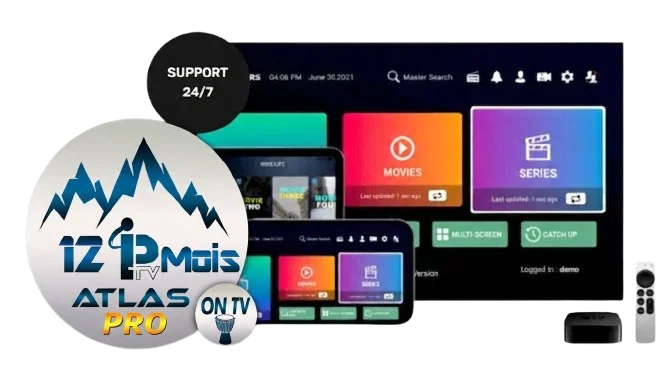
Television, as we once knew it, is chop-chop evolving, and the introduction of Internet Protocol Television(IPTV) is at the forefront of this revolution. Traditional telegraph and planet TV, once the dominant methods for delivering television system content, are now veneer stiff competitor from IPTV services. IPTV uses the internet to deliver television system content, allowing for greater flexibility, availability, and a more personal wake experience. As more consumers move away from traditional TV subscriptions in favour of net-based solutions, IPTV is transforming the way we catch television, offering new possibilities for amusement, convenience, and interactivity.
One of the most significant advantages of IPTV is its power to offer on-demand . Traditional TV schedules, where viewing audience had to tune in at specific times to take in their front-runner shows, are becoming less in dispute in a world where cyclosis platforms like Netflix, Hulu, and Amazon Prime dominate the media landscape. IPTV allows users to see what they want, when they want, with no need to stick to a strict programming docket. This flexibility has evidenced to be one of the key reasons behind the rise of IPTV services, as consumers more and more demand verify over their wake experience. The days of wait for a specific time slot to a popular show are numbered, and on-demand wake is becoming the norm.
Moreover, IPTV offers a vast array of content that goes far beyond what orthodox wire or satellite services can cater. With IPTV, users can access thousands of channels, movies, TV shows, and even recess from around the earth. Whether it’s local anaesthetic broadcasts, International , or scoop on-demand films, the veer breadth of content available through IPTV is unparalleled. This international access is especially sympathetic to viewing audience with diverse interests or those keep in regions where certain or programs are not promptly available. In an more and more reticulate world, IPTV is bridging the gap by providing viewers with a wealthiness of content that orthodox TV could never match.
Another remarkable feature of IPTV is its desegregation with other cyberspace-based services, such as sociable media, video share-out platforms, and apps. With hurt TVs and streaming , viewers can interact with their content in entirely new ways. For example, many IPTV services allow users to partake in what they’re watching on social media, chat with friends, or even browse the net while observation TV. This smooth desegregation of TV and integer content is reshaping the way we interact with entertainment. Additionally, the power to break, rewind, or fast-forward live television, along with features like DVR functionality, gives viewers greater verify over their watching go through than ever before.
IPTV also plays a key role in the development swerve of cord-cutting, where viewing audience are choosing to cancel their orthodox cable or planet subscriptions in favor of more affordable and customizable cyclosis options. With IPTV, users can keep off the high costs associated with orthodox TV subscriptions, which often come bundled with numerous and services that they don t use. Instead, IPTV offers a more a la menu set about, allowing TV audience to select only the or content that matter to them, often at a fraction of the cost. This shift in behaviour is forcing traditional telegraph and satellite companies to afterthought their stage business models, with many now offer their own IPTV services in response to the growing demand for cyberspace-based TV solutions.
As Atlas pro ontv continues to gain traction, the applied science behind it is also onward. Improvements in internet speeds, especially with the rollout of 5G networks, will make IPTV even more available and competent. Faster internet connections will high-quality cyclosis, with 4K and even 8K resolutions becoming more platitude. This promotion in video quality will further enhance the viewing undergo, offer card shark images and more immersive content. Additionally, IPTV providers are more and more leveraging staged news(AI) to enhance personalization and recommendations. By analyzing wake habits and preferences, AI algorithms can propose shows and movies tailored to someone tastes, qualification it easier for users to discover new content.
However, despite its many advantages, IPTV does face some challenges. One of the main concerns is the reliance on a stable cyberspace connection. While the net infrastructure in many improved countries is unrefined, areas with slower or undependable net may fight to access IPTV services, particularly for high-definition streaming. Furthermore, plagiarization and misappropriated IPTV services pose a considerable threat to the industry, as unauthorised providers often offer content without specific rights or agreements with content creators. These issues are prompting greater rule and effectual frameworks around IPTV, as governments and industry stakeholders work to battle plagiarization and insure that creators are decently salaried for their work.
Looking in the lead, the hereafter of television seems firmly rooted in IPTV. As more consumers squeeze internet-based viewing, traditional TV broadcasters and wire providers will need to adapt or risk becoming noncurrent. The ability to get at high-quality anytime, anywhere, and on any is transforming how we squander media, and IPTV is at the revolve about of this shift. The rise of hurt TVs, Mobile devices, and streaming platforms is reshaping the amusement landscape, offering viewers more pick and flexibility than ever before. While challenges continue, the potential for IPTV to redefine television system and push the boundaries of what s possible in home entertainment is immense. As the engineering continues to develop, it s clear that the future of television system is integer, on-demand, and high-powered by the net.