
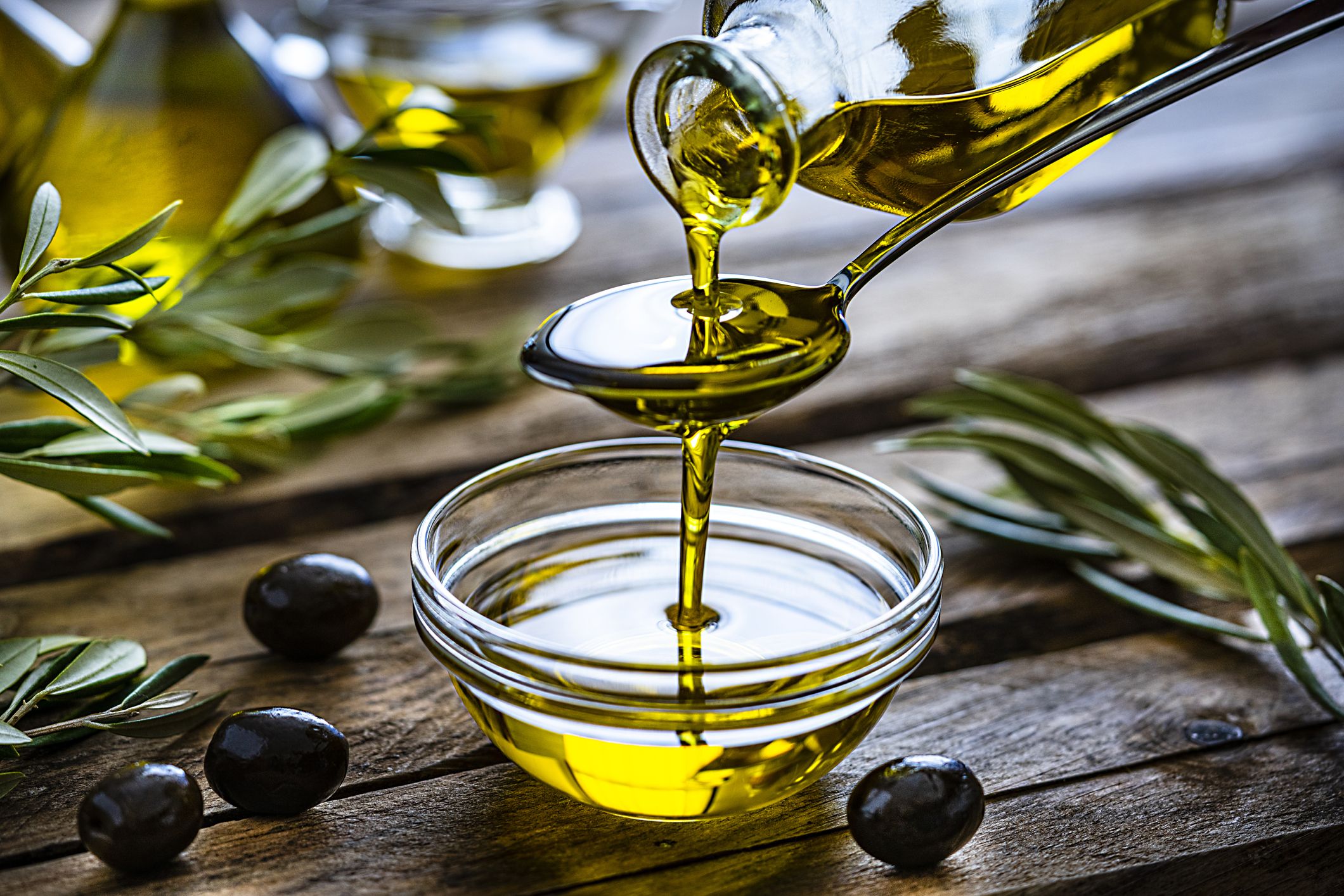
Choosing the best quality cooking oil for your kitchen is an monumental decision that affects not only the smack of your food but also your overall wellness. With so many options available on the commercialize, it can be overwhelming to determine which oil is right for your cooking style and needs. Factors such as fume target, organic process , season, and processing methods all play a role in selecting the paragon oil for routine use or special dishes Refined sunflower oil.
The smoke aim of an oil refers to the temperature at which it begins to break apart down and create smoke. Oils with high fume points, such as avocado tree oil, refined Arachis hypogaea oil, and helianthus oil, are better appropriate for high-temperature preparation methods like frying or searing. On the other hand, oils with lower smoke points, like supernumerary Virgo the Virgin olive oil and unprocessed Sesamum indicum oil, are better for salad dressings, dismount saut ing, or descending over finished dishes to enhance season. Choosing the right oil for the right method of preparation not only conserve smack but also prevents the shaping of deadly compounds that can go on when oils are hot.
Another epochal thoughtfulness is the nutritionary value of the oil. Some oils are rich in healthy fats such as monounsaturated and polyunsaturated fats, which can support spirit wellness and tighten rubor. Olive oil, particularly extra Virgin Olea europaea oil, is illustrious for its high content of unsaturated fats and antioxidants, making it a staple in Mediterranean diets. Similarly, oils like linseed and walnut oil contain Z-3 butterball acids, which are necessity for nous function and vessel well-being, though they are not proper for high-heat cooking. It’s also Charles Frederick Worth considering oils that are low in intense fats, as undue consumption of vivid fats has been joined to various health concerns.
The way an oil is refined also affects its timbre and nutritionary visibility. Cold-pressed and unprocessed oils hold back more of their natural flavor, olfactory property, and nutrients because they are extracted without the use of heat or chemicals. These oils are in general well-advised higher quality but have shorter ledge lives and may not be appropriate for all preparation applications. Refined oils, while more stalls and neutral in smack, may undergo chemical substance processing that strips away some of their healthful properties. Therefore, it s crucial to poise with wellness benefits when choosing between refined and crude options.
Flavor is another subjective yet vital factor in. Some oils have distinctive tastes that can heighten particular cuisines. For example, sesame oil adds a nutty depth to Asian dishes, while coco oil imparts a perceptive sweetness that works well in baking or tropic recipes. Neutral oils like canola or grapeseed are versatile and won t overpower the flavors of your ingredients, making them good all-purpose choices.
Ultimately, selecting the best timber cooking oil involves a combination of sympathy your cookery habits, wellness priorities, and flavor preferences. Keeping a variety of oils on hand can allow you to oppose the right oil to the right recipe, ensuring both Delicious results and biological process benefits. Making informed choices about the oils you use in your kitchen is a simple yet powerful step toward healthier and more flavoursome preparation.