
When it comes to fashion, color can make or break an outfit. In the vibrant world of Pakistani Fashion, the use of colors is not just a trend; it’s an art form.
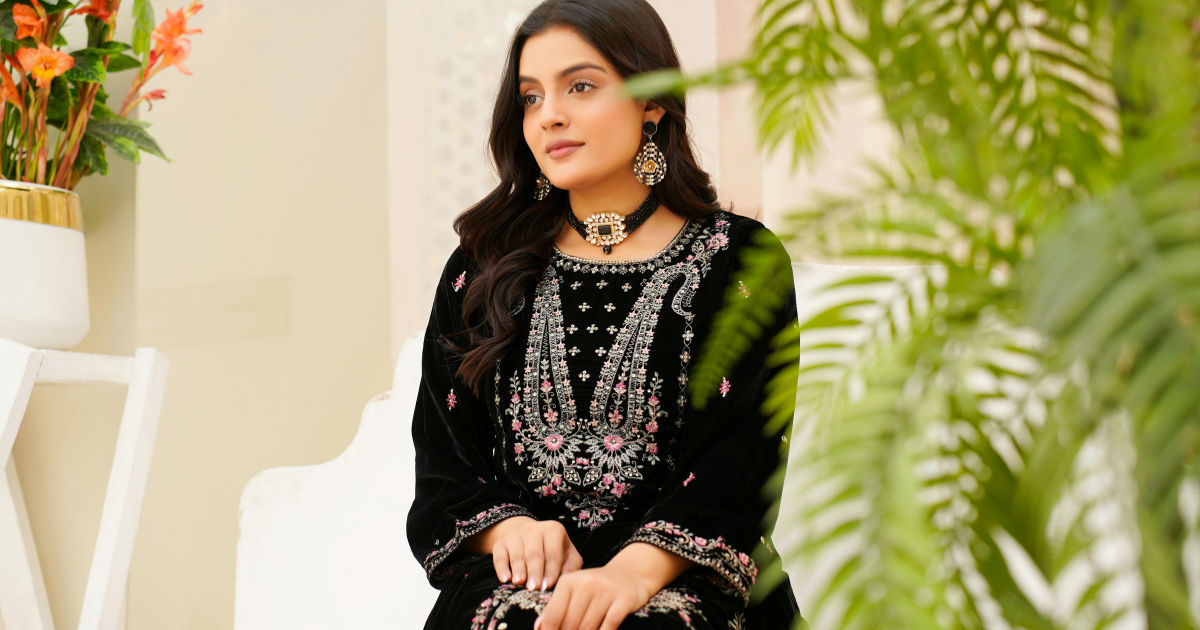
Whether you are attending a wedding, celebrating a festival, or just exploring street style, Pakistani designers have mastered the science and magic of color. From the rich reds of bridal wear to the soft pastels of casual wear, the color palettes are thoughtfully curated to bring out emotions, complement skin tones, and make every outfit memorable.
In this comprehensive guide, we will explore why Pakistani color palettes are consistently praised, how cultural, traditional, and contemporary influences shape these choices, and what makes them timeless.
By the end of this article, you will understand the psychology, aesthetics, and artistry behind every shade in Pakistani Fashion, as highlighted on nani je.
The Cultural Influence on Pakistani Fashion Colors
Traditional Roots
Pakistani Fashion is deeply rooted in culture and tradition. Historically, colors have been used to represent festivals, seasons, and significant life events. For instance, red is a traditional color for bridal dresses, symbolizing love, passion, and auspicious beginnings. Similarly, green is often associated with prosperity and peace, reflecting its importance in Islamic culture.
The use of these colors is not random. Designers carefully study cultural significance to ensure that their palettes resonate with the wearer’s values and beliefs. This deep cultural connection gives Pakistani Fashion its distinctive vibrancy and authenticity.
Festivals and Celebrations
Pakistan is a country with diverse festivals and celebrations. Eid, Basant, weddings, and other festivities bring a spectrum of colors to everyday fashion. During Eid, pastel shades like mint, peach, and lavender dominate, offering a soft, refreshing look. In contrast, wedding seasons feature bold and rich colors like maroon, gold, and emerald, creating a luxurious and festive aura.
The thoughtful association of colors with different occasions is a key reason why Pakistani color palettes are always on point. They are not just aesthetically pleasing but culturally meaningful.
The Role of Nature in Color Choices
Inspiration from Landscapes
Nature plays a significant role in shaping Pakistani color palettes. The country’s landscapes—from the serene valleys of Swat to the vibrant streets of Karachi—provide endless inspiration. Designers often draw from the lush greenery, colorful flowers, and earthy tones found in nature to create outfits that feel both grounded and elegant.
For example, the deep hues of rose gardens and the soft shades of mountain sunsets are often reflected in seasonal collections. This connection with nature ensures that colors feel organic and harmonious.
Seasonal Adaptation
Pakistani Fashion is also highly seasonal, and designers adjust color palettes according to the climate. Summer collections feature lighter, breezier colors like soft blues, yellows, and peach tones, while winter collections embrace deeper shades like burgundy, navy, and chocolate brown.
This adaptive approach not only enhances comfort but also ensures that the outfits look visually appealing in any season, maintaining the timeless quality of Pakistani Fashion.
The Psychology of Colors in Pakistani Fashion
Emotional Connection
Colors evoke emotions, and Pakistani Fashion designers understand this deeply. Bright colors like orange and fuchsia can energize and uplift, while pastel shades like mint and lavender bring calm and sophistication.
This psychological understanding of colors ensures that Pakistani palettes are always on point. The right shade can transform an outfit from ordinary to extraordinary by resonating with the mood and personality of the wearer.
Complementing Skin Tones
One reason Pakistani color palettes are highly praised is their inclusivity across different skin tones. Designers consider the undertones of South Asian complexions, using colors that highlight natural beauty.
For instance, warmer shades like coral, mustard, and rust complement medium to darker skin tones, while pastel shades and jewel tones enhance lighter complexions. This careful selection ensures that everyone can find colors that suit them, contributing to the universal appeal of Pakistani Fashion.
Fusion of Traditional and Contemporary Colors
Keeping Traditions Alive
Pakistani Fashion blends traditional colors with modern design techniques. Classic shades like red, green, and gold are frequently paired with contemporary cuts, embroidery, and styling.
This fusion allows designers to respect tradition while appealing to modern sensibilities. The result is a color palette that feels timeless yet trendy, making Pakistani Fashion relevant across generations.
Experimentation with New Shades
At the same time, designers are not afraid to experiment with unconventional colors. Teal, mustard, and metallic shades are increasingly popular in modern collections. These experimental palettes keep the fashion industry fresh, attracting younger audiences while maintaining the cultural essence.
This balance between tradition and innovation ensures that Pakistani color palettes remain versatile, stylish, and always on point.
Textures and Fabric Influence on Colors
The Role of Fabrics
The choice of fabric significantly impacts how colors appear. Pakistani designers often select fabrics like silk, chiffon, organza, and velvet to enhance color vibrancy. Silk, for example, naturally reflects light, making deep colors like maroon and emerald appear richer.
On the other hand, lighter fabrics like cotton and chiffon soften pastel colors, creating a delicate and airy look. This careful pairing of fabric and color ensures that every outfit feels luxurious and visually appealing.
Embroidery and Color Accents
Another reason Pakistani color palettes stand out is the intricate use of embroidery and embellishments. Colors are not just used as base shades but also as accents through thread work, sequins, and stones.
For example, a simple pastel dress can be elevated with golden or silver embroidery, creating contrast and visual interest. This thoughtful combination of base colors and accents demonstrates the artistry behind Pakistani Fashion.
Influences from Art and Architecture
Mughal Heritage
The rich heritage of Mughal architecture and art continues to influence Pakistani color choices. Jewel tones, intricate patterns, and floral motifs often mirror the aesthetics of historic buildings and paintings.
Designers draw inspiration from the ornate palaces, gardens, and mosques of the Mughal era, incorporating colors that convey grandeur and elegance. This historical reference adds depth and cultural richness to every palette.
Contemporary Art Influence
Modern Pakistani artists and painters also inspire fashion colors. The use of abstract patterns, geometric shapes, and vibrant brushstrokes translates into unique color combinations in clothing.
This influence ensures that Pakistani Fashion remains dynamic, blending artistic expression with wearable elegance.
Celebrities and Media Shaping Color Trends
Influence of Celebrities
Pakistani celebrities and fashion influencers play a significant role in popularizing color trends. Whether it’s a red carpet event, a wedding, or a television appearance, their color choices often set trends for the season.
Designers collaborate with celebrities to create signature looks, often using innovative color combinations that the public eagerly adopts. This symbiotic relationship between designers and influencers ensures that Pakistani color palettes are constantly evolving yet always appealing.
Media and Fashion Shows
Television, social media, and fashion shows also contribute to the prominence of Pakistani colors. Weekly fashion dramas and Instagram pages showcase trending outfits, emphasizing how colors can be styled effectively.
By constantly highlighting new palettes and combinations, media platforms reinforce the importance of color in Pakistani Fashion and educate audiences about style and aesthetics.
Global Appeal of Pakistani Color Palettes
International Fashion Recognition
Pakistani Fashion is increasingly gaining recognition on global platforms. Designers participate in international fashion weeks, showcasing collections with distinctive color palettes that reflect the country’s heritage and creativity.
The bold yet harmonious use of colors appeals to global audiences, demonstrating that Pakistani Fashion can compete with world-class trends while maintaining cultural identity.
Export and Adaptation
Pakistani color palettes are also popular in international markets through exports of ready-to-wear collections, bridal wear, and formal attire. Buyers appreciate the thoughtful color coordination, which combines traditional elegance with modern styling.
This international appeal further reinforces the idea that Pakistani designers are masters of color, capable of creating universally admired aesthetics.
Tips to Understand and Use Pakistani Color Palettes
Observing Trends
To appreciate Pakistani color palettes, one must observe seasonal collections, fashion shows, and celebrity styling. Pay attention to how colors are paired, accented, and contrasted to create visually appealing ensembles.
Understanding these patterns can help anyone—from fashion enthusiasts to aspiring designers—learn the art of color coordination.
Experimenting with Colors
Don’t be afraid to experiment. Pakistani Fashion thrives on mixing and matching unexpected colors. Whether it’s combining pastels with bold hues or layering jewel tones with neutrals, experimentation is key to mastering color usage.
Start with small accents like scarves, jewelry, or embroidery before adopting bolder choices, ensuring a balanced and stylish look.
Common Mistakes and How Pakistani Fashion Avoids Them
Overuse of Bold Colors
One common mistake in fashion is the overuse of bold colors, which can overwhelm the outfit. Pakistani designers avoid this by balancing strong shades with neutrals or pastels, creating a visually pleasing effect.
For instance, a bright fuchsia dress may be paired with subtle gold embroidery or soft beige accents, maintaining harmony while still making a statement.
Ignoring Skin Tones
Another frequent error is ignoring skin tone compatibility. Pakistani Fashion stands out because designers carefully choose colors that complement a wide range of complexions, ensuring inclusivity and enhancing natural beauty.
Lack of Seasonal Consideration
Colors that look great in one season may appear out of place in another. Pakistani designers are mindful of seasonal appropriateness, ensuring that summer, winter, and festive collections are all visually coherent.
This thoughtful planning is a key reason Pakistani color palettes consistently hit the mark.
Conclusion
Pakistani Fashion is more than clothing; it is a celebration of culture, tradition, art, and emotion. The color palettes used in Pakistani Fashion are meticulously curated, balancing tradition with modernity, psychology with aesthetics, and nature with art. They are inclusive of different skin tones, adaptive to seasons, and capable of conveying emotions and stories.
By drawing from heritage, landscapes, art, and contemporary trends, Pakistani designers create palettes that are both visually stunning and culturally significant. This is why Pakistani color palettes are always on point, and why they continue to inspire not only local audiences but fashion enthusiasts around the world.
Whether you are exploring bridal wear, casual ensembles, or high-end collections, the thoughtful use of color in Pakistani Fashion ensures that every outfit is a masterpiece, making the wearer look and feel extraordinary.
Pakistani Fashion is a testament to how color, when used thoughtfully, can transcend mere aesthetics to become an art form. The mastery of color in Pakistani Fashion ensures that it will remain timeless, admired, and ever-relevant for generations to come.